
House of Europa Journal
How Bespoke Furniture Is Designed and Produced
Bespoke furniture is not “customizable.” It is custom-built. It starts with your exact idea, then moves through design clarification, visualization, quoting, and production. The value is control: dimensions that fit your space, finishes that match your palette, and a final piece that does not exist anywhere else. This guide explains how bespoke furniture is typically created, and how House of Europa executes it through a disciplined, European-made workflow.
Bespoke furniture• Custom furniture• Design process• 3D rendering• Production• Custom Order• House of Europa

For bespoke requests, start on Custom Order. Explore our broader sourcing workflow on Global Procurement, browse Furniture, and connect through Contact. Explore full capabilities on the House of Europa homepage.
What “bespoke” actually means
Bespoke furniture is designed and produced from the ground up for a specific client. You are not picking from a list of presets. You are defining the piece itself: dimensions, materials, finish, upholstery, and details. The goal is simple: a final product that fits your space and design intent perfectly, without compromise.
Key difference: “custom” often means selecting options on an existing model. Bespoke means the model is created or engineered to your requirements.
1. Submit Your Design: the inputs that shape everything
The process starts with direction. This can be a hand sketch, a reference image, a rough drawing with dimensions, or a clear concept you want replicated with modifications. Strong inputs reduce revisions, speed up rendering, and protect the final result.

What to include for the best result
- Overall dimensions and intended placement
- Reference images that capture the style
- Material direction: wood, stone, metal, upholstery
- Functional requirements: storage, seating depth, clearance
Common issues that slow the process
- Unclear scale or missing dimensions
- Too many conflicting references
- No finish direction until late stages
- Functional needs discovered after quoting
2. Design Rendering & Review: turning your idea into something buildable
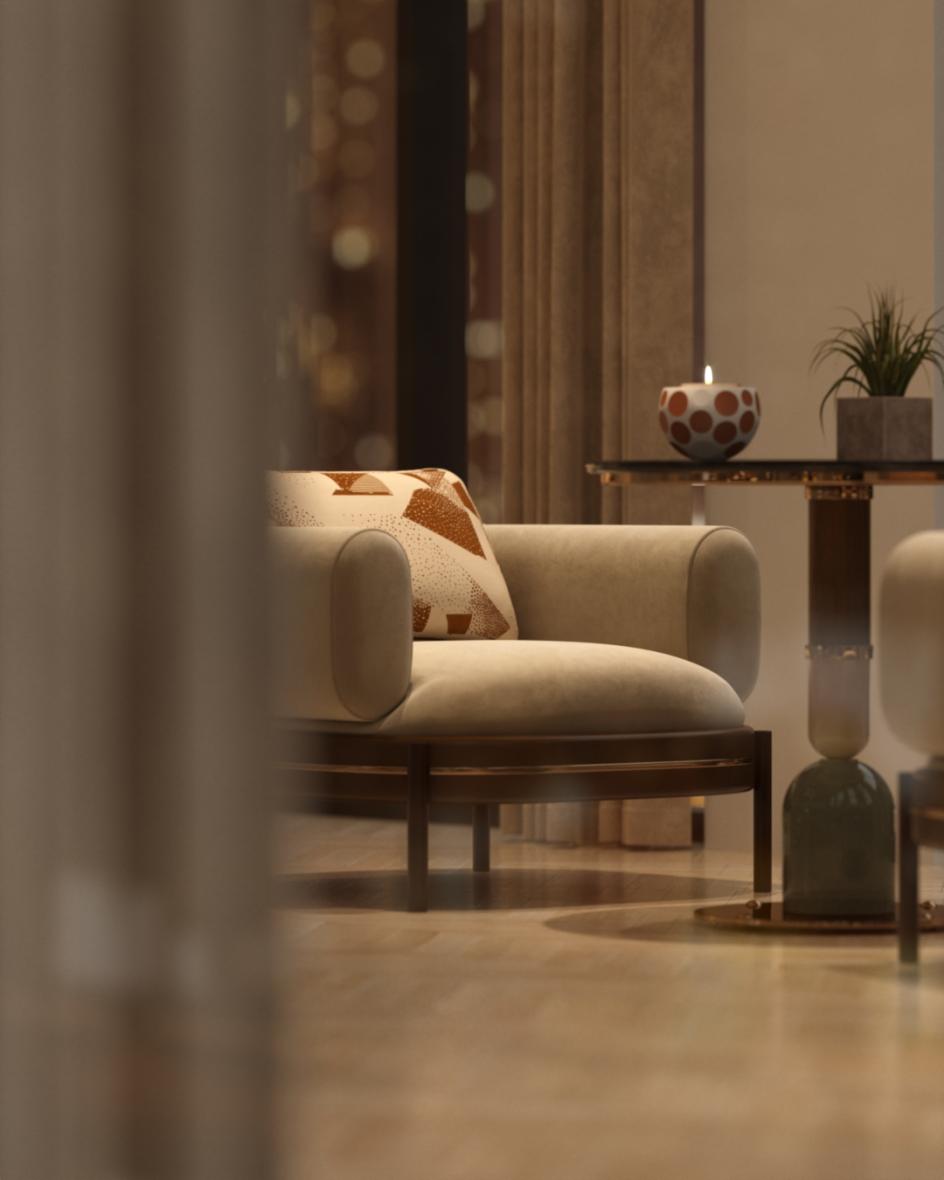
Rendering is not just visual. It is engineering alignment. This phase converts your concept into a buildable model and validates proportions, material transitions, and key details before production starts. The goal is to eliminate surprises.
- Confirm overall proportions and silhouette
- Refine details: profiles, seams, leg geometry, edges
- Validate material pairing and finish direction
- Align on functional requirements and tolerances
Control point: this is the best time to revise. Once production starts, changes usually increase cost and timeline.
3. Detailed Quotation: pricing is a spec document
A real bespoke quote is not a single number. It is a breakdown of what will be produced: materials, construction approach, finishes, and the scope of work required. The quote should match the rendering and confirm what is included so production stays aligned.
What a strong bespoke quotation clarifies
- Exact dimensions and configuration
- Material and finish specifications
- Upholstery type and tailoring direction
- Hardware, mechanisms, and special details
What to confirm before approving
- Finish samples and tone alignment
- Lead time and production schedule
- What is included vs. optional upgrades
- Logistics requirements and delivery method
4. Production: materials, sampling, and finishing discipline
Production is where bespoke becomes real. Materials are selected, finishes are tested, and the piece is built. Luxury outcomes depend on discipline: stable construction, clean tolerances, and consistent finishing. Sampling matters because it protects the final look and feel.


What most people miss: finishing is often the most important luxury variable. It is where a piece becomes refined or looks cheap.
What a finished bespoke piece should feel like
The final result should feel stable, comfortable, and intentional. No wobble. No shortcuts. No inconsistent tones. Bespoke is successful when the piece looks like it was always meant to exist in that space.

Want to build a bespoke piece to your exact design?
Submit your concept through Custom Order. For full sourcing and logistics support, learn our workflow on Global Procurement and reach out via Contact. You can also browse Furniture and explore full capabilities on the House of Europa homepage.
FAQ
What is bespoke furniture?
Bespoke furniture is designed and produced specifically for a client with custom dimensions, materials, and finishes, rather than selecting options on a standard model.
What is House of Europa’s bespoke workflow?
House of Europa follows a disciplined process: Submit Your Design, Design Rendering & Review, Detailed Quotation, then Production. Start via Custom Order.
What do I need to submit for a bespoke furniture request?
You can submit a sketch, reference images, basic dimensions, and finish direction. The clearer the inputs, the faster the rendering and quoting phases move.
Can bespoke furniture match specific finishes and dimensions?
Yes. Bespoke furniture is built to your specifications, which can include custom sizing, finish matching, material selection, and functional requirements.